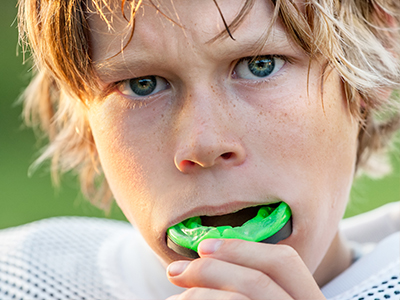
Sports-related injuries to the mouth and face are surprisingly common, affecting athletes from youth leagues to adult recreational play. A single blow can chip or fracture a tooth, cut the lips and tongue, or cause damage to the jaw — injuries that can require extensive dental care and long-term follow-up. Wearing a properly fitted mouthguard is one of the simplest, most effective steps an athlete can take to lower the likelihood of these outcomes.
Beyond the teeth, mouthguards cushion impacts that might otherwise injure soft tissues like the cheeks and tongue. They also help distribute forces across the jaw, which can reduce the chance of more serious skeletal trauma. For parents, coaches, and athletes who want practical ways to reduce risk during practices and games, a mouthguard is a preventive tool that delivers real, immediate protection.
Because athletic activities vary widely — from helmeted sports to non-contact disciplines where stray equipment still poses a hazard — the decision to wear a mouthguard should be based on risk, comfort, and performance. A mouthguard that fits well and feels comfortable is far more likely to be worn consistently, and regular use is what produces the protective benefits.
There are three common categories of mouthguards available: off-the-shelf stock models, boil-and-bite options sold at sporting goods stores, and custom appliances made by a dental professional. Stock mouthguards are inexpensive and ready to wear but typically offer the least reliable fit and protection. Boil-and-bite devices can improve fit by molding to the teeth after softening in hot water, yet they still have limitations in comfort and stability.
Custom mouthguards are fabricated from an impression of a patient’s teeth and are tailored to the contours of the mouth. This personalized fit provides superior retention, comfort, and coverage, which helps athletes breathe and speak more naturally while protecting against impact. For individuals who wear braces or extensive dental restorations, custom devices can be designed to accommodate orthodontic appliances and provide additional protection.
Choosing the right type depends on the sport, frequency of play, and the wearer’s tolerance for fit and feel. For weekend recreational players, a well-fitted boil-and-bite guard may suffice. For competitive athletes, people with prior dental injuries, or those undergoing orthodontic treatment, a custom mouthguard offers the best balance of protection and comfort.
When evaluating options, consider how the mouthguard will perform during actual play: will it stay in place during rapid movement, allow clear communication, and not impede breathing? Those practical considerations often influence both compliance and the level of protection the device ultimately provides.
The process for a custom mouthguard typically begins with an examination and impression of the teeth. Using this impression, a dental laboratory or in-office fabrication method creates a device designed to the precise shape of the patient’s mouth. Materials are chosen for durability, cushioning, and biocompatibility so the final appliance is both protective and long-lasting.
Fit is a primary focus during fabrication. A well-made custom mouthguard should seat securely on the dental arches without excessive bulk, allowing the wearer to breathe and speak with minimal restriction. Adjustments can be made by the dentist to fine-tune areas that cause discomfort or interfere with performance, ensuring the mouthguard becomes an unobtrusive part of the athlete’s routine.
For many patients, the investment in a custom mouthguard is justified by improved comfort and better protection over time. The practice will review care instructions and discuss how the device should be used during practices, competitions, and in conjunction with other protective equipment like helmets or face shields.
Maintaining a mouthguard correctly preserves its protective properties and reduces the risk of bacterial buildup. Daily rinsing with cool water after use, occasional brushing with a soft toothbrush and non-abrasive toothpaste, and allowing the device to air-dry before storage are simple habits that extend its life. Avoid exposing the mouthguard to high heat, which can warp the material and compromise fit.
Storage is also important: keep the mouthguard in a ventilated case when not in use to protect it from damage while allowing airflow to prevent moisture buildup. Periodically inspect the device for signs of wear such as thinning, tears, or persistent odors — these are cues that performance may be deteriorating.
Replace a mouthguard when it no longer fits securely, shows obvious wear, or after significant dental work or changes in orthodontic status. For athletes who experience frequent contact or who play year-round, more frequent replacement may be necessary to maintain adequate protection and hygiene.
While the primary role of a mouthguard is to shield teeth and soft tissues from direct trauma, its benefits extend beyond immediate impact protection. By helping to stabilize the jaw and absorb shocks, a mouthguard can reduce the severity of injuries that might otherwise lead to complicated dental procedures or prolonged recovery. This protective effect supports athletes’ overall oral health and helps preserve long-term function.
Comfort and fit also influence performance. A mouthguard that allows for natural breathing, clear communication with teammates, and minimal distraction enables athletes to focus on their sport rather than on a poorly fitting appliance. When players feel confident that their mouthguard is comfortable and secure, they are more likely to wear it consistently — the single most important factor in preventing sports-related oral injuries.
Education is a key part of injury prevention. Athletes, parents, and coaches benefit from understanding the different options and selecting a solution that balances protection with wearability. The practice can guide patients through that decision process, recommending the best device type based on the athlete’s sport, dental needs, and preferences.
Summary: Wearing the right mouthguard is an effective way to reduce the risk of dental and facial injuries during athletic activity. From understanding the differences between stock, boil-and-bite, and custom options to learning how to care for and replace a device, informed choices make a measurable difference. For personalized guidance on selecting and fitting a mouthguard, contact Ramsi Dental to speak with a member of our team and learn how we can help protect your smile.


Mouthguards reduce the risk of dental and soft-tissue injuries by cushioning and distributing impact forces that would otherwise be concentrated on teeth and surrounding tissues. A properly fitted device helps prevent chips, fractures, and lacerations to the lips, cheeks and tongue during practices and competition. Consistent use during contact or equipment-based sports is the most effective way to realize these protective benefits.
Beyond protecting individual teeth, mouthguards can help stabilize the jaw and reduce the severity of injuries that might require complex dental treatment. They also encourage safer play habits when athletes, coaches and parents treat them as essential protective equipment. Education about proper selection and use helps ensure athletes wear mouthguards when risk is present.
There are three common categories of mouthguards: stock (off-the-shelf), boil-and-bite, and custom-made devices fabricated by a dental professional. Stock guards are inexpensive and ready to use but often fit poorly; boil-and-bite models can be molded at home for a better fit but still have limitations in comfort and retention. Custom mouthguards are made from impressions of the teeth and provide superior fit, coverage and stability for athletes who want the best protection and comfort.
Choosing among these options depends on sport intensity, frequency of play and individual dental needs. For infrequent recreational use a well-fitted boil-and-bite guard may be acceptable, while competitive athletes or those with dental restorations typically benefit most from a custom appliance. Assessing how each type performs during play — in terms of fit, breathing and communication — helps determine the right choice.
A custom mouthguard is recommended for competitive athletes, players who participate in frequent or high-impact sports, and anyone with a history of dental injury or extensive dental work. People undergoing orthodontic treatment or who have implants, crowns or bridges also often benefit from a custom design that accommodates appliances and protects restorations. Custom devices are especially advantageous when fit, comfort and consistent use are priorities.
Parents of young athletes and coaches should consider a custom option when long-term protection and compliance are important, since a comfortable guard is more likely to be worn consistently. Your dental team can evaluate individual risks and oral conditions to recommend whether a custom guard is warranted. The goal is to match protection level to the athlete’s needs while maintaining comfort and function.
The process for a custom mouthguard begins with an oral exam and an impression or digital scan of the teeth to capture precise contours of the dental arches. The laboratory or in-office fabrication process uses that record to craft a multilayered appliance from durable, biocompatible materials designed to absorb impact and resist wear. Appointments typically involve minimal chair time for impressions and a follow-up visit to check fit and make any minor adjustments.
At delivery the dentist will verify that the mouthguard seats securely without excessive bulk, allows comfortable breathing and permits clear speech as much as possible. Any pressure points or interfering areas can be trimmed or polished for a better feel. The clinician will also explain care instructions and when to return for reassessment after orthodontic changes or noticeable wear.
Yes. Mouthguards are important for athletes with braces, fixed appliances or removable prosthetics because orthodontic hardware can increase the risk of soft-tissue injury during impact. Over-the-counter guards may not fit well over braces, so a custom mouthguard fabricated to accommodate appliances is usually the best solution to ensure proper coverage and retention. These specialized designs protect both the teeth and the orthodontic components from trauma.
When braces are present, the mouthguard should be checked regularly for fit as treatment progresses and tooth positions change. Your dentist or orthodontist can recommend the right type of guard and advise when adjustments or replacements are necessary. Properly fitted protection helps athletes continue treatment while minimizing the risk of costly or time-consuming injury-related complications.
Rinse your mouthguard with cool water after each use to remove saliva and debris, then occasionally brush it gently with a soft toothbrush and nonabrasive toothpaste or mild soap. Allow the device to air-dry completely before placing it in a ventilated storage case to prevent moisture buildup and bacterial growth. Avoid exposing the mouthguard to high heat or direct sunlight, which can deform the material and compromise fit.
Perform a visual inspection regularly for signs of wear such as thinning, cracks or persistent odors, and follow the manufacturer or clinician’s instructions for deeper cleaning when needed. Never use harsh chemicals or boiling water to sanitize a mouthguard unless explicitly recommended by the dental provider. Proper daily care extends the life of the device and helps maintain hygienic conditions for the athlete.
Replace a mouthguard when it no longer fits securely, shows visible wear such as thinning or tears, or develops an unpleasant odor that does not respond to cleaning. Changes in dental structure — including loss of teeth, significant dental work, or ongoing orthodontic movement — also warrant replacement because the original fit will be altered. Regular inspection before seasons or after heavy use helps identify when performance may be compromised.
Athletes who train year-round or play high-contact sports may need more frequent replacement than casual players to ensure consistent protection. If an athlete reports discomfort, difficulty breathing or a change in fit, stop using the device and consult your dental team for assessment. Timely replacement maintains both safety and comfort during play.
A properly fitted mouthguard should allow normal nasal breathing and permit reasonable speech so athletes can communicate with teammates and coaches. Custom mouthguards are designed to minimize bulk and maximize retention, which helps maintain natural airflow and clarity of speech compared with poorly fitting stock devices. Initial awareness of a new appliance is common, but most athletes adapt quickly once the guard is adjusted for comfort.
If breathing or communication feels restricted, return to the dental provider for a fit evaluation and targeted adjustments rather than abandoning use. Simple trimming or reshaping can often resolve pressure points or interference without reducing protective function. Prioritizing fit increases the likelihood the guard will be worn consistently and comfortably.
Mouthguards are effective at protecting teeth, soft tissues and the jaw by absorbing and dispersing impact forces, but evidence that they significantly reduce the risk of concussion is limited and inconclusive. Some studies suggest mouthguards may reduce certain transmitted forces to the jaw, which could theoretically influence head biomechanics, but they should not be relied upon as a primary concussion-prevention strategy. Comprehensive head-injury prevention focuses on proper coaching, safe technique, appropriate helmets or face protection and adherence to sport-specific safety protocols.
That said, mouthguards remain an important component of an overall protective plan because they reduce dental trauma and related complications. Athletes and caregivers should use mouthguards in combination with other protective equipment and follow sport governing bodies’ safety guidelines to minimize the full spectrum of injury risks. Discussing sport-specific concerns with a clinician helps align protective choices with realistic expectations.
To be evaluated for a custom mouthguard, schedule an appointment with our dental team to review your sport, dental history and unique needs so we can recommend the appropriate device type and design features. During the visit we will perform an oral exam and obtain impressions or digital scans to create a guard tailored to your mouth for optimal fit and function. The fabrication and follow-up process is explained clearly so you know what to expect and how to care for the appliance.
At delivery we will confirm the fit, make minor adjustments if necessary, and provide instructions for daily cleaning and safe storage. We also advise when to return for reassessment after dental changes or observed wear. Contact Ramsi Dental to arrange a consultation and learn which mouthguard option best balances protection, comfort and athletic performance.

We’d love to hear from you! Whether you have questions about our services, want to schedule an appointment, need guidance on your dental care, or simply want to learn more about how we can help you achieve a healthy, confident smile, our friendly and knowledgeable team is here to assist you.
Visit us at Ramsi Dental or reach out by phone or through our online form. We’re committed to making your experience easy, welcoming, and stress-free, and we’ll respond promptly to ensure you get the care you need.