We focus on helping children build strong, lasting oral health from their very first smile. Pediatric dentistry is more than treatment — it’s about prevention, education, and creating positive experiences so kids grow up confident about their smiles. This page explains what to expect, how routine care protects developing teeth, and practical steps parents can take to support healthy habits at every age.

Baby teeth play a surprisingly big role: they help infants eat and speak, guide the alignment of permanent teeth, and support healthy jaw development. Because those primary teeth are important placeholders for the future, early observation and gentle care set the stage for fewer problems later. Pediatric dental visits are recommended early so any issues can be identified and managed before they become more complicated.
An initial dental visit is an opportunity to assess growth, answer parents' questions, and introduce simple hygiene routines. Clinicians will look for normal eruption patterns, check the condition of the gums, and advise on safe cleaning techniques. This is also when caregivers learn ways to prevent common problems such as early childhood caries and bottle-related decay.
Starting visits early reduces anxiety and helps children feel comfortable in the dental setting. A calm, educational approach teaches kids that dental care is a normal part of health. With supportive guidance and age-appropriate explanations, even very young children can leave a visit with a sense of trust and understanding.
Routine pediatric visits combine a friendly, age-appropriate exam with preventive treatments and instruction. A clinician will review health history, visually examine teeth and soft tissues, and assess jaw and bite development. Depending on each child’s needs, x-rays may be taken to look beneath the surface for decay, developing teeth, or other concerns that aren’t visible during a visual exam.
A professional cleaning removes plaque and debris from places that are hard to reach at home. The visit also includes individualized guidance on brushing and flossing technique, tips for caregivers, and recommendations for fluoride or sealants when those measures can provide added protection against decay. All care is explained in plain language so parents and children understand both the steps taken and why they matter.
These visits are also the time to discuss behavioral or developmental factors that affect oral health: thumb-sucking, pacifier use, nighttime bottles, and dietary routines. Early, constructive conversations help families adopt consistent routines that support long-term oral health for growing children.
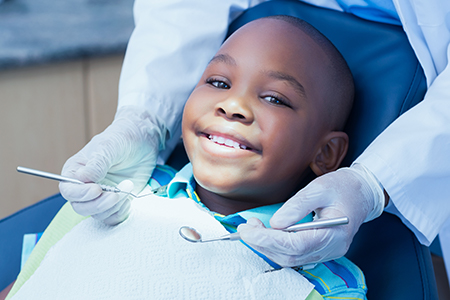
Periodic evaluations let clinicians track facial growth, tooth eruption, and bite relationships as a child gets older. Monitoring these patterns makes it possible to spot developing misalignment or jaw concerns early, when interventions are typically simpler and more effective. Regular exams also ensure that permanent teeth are developing in favorable positions and that any necessary referrals can be made in a timely way.
Exams give providers a chance to identify risk factors for cavities or injury and to tailor a prevention plan to the individual child. For example, children who participate in contact sports may receive specific advice on protective equipment, while those with a history of rapid decay may be offered more frequent monitoring and preventive treatments.
Because dental development progresses quickly during childhood and adolescence, staying on top of routine visits helps families avoid surprises. Early detection preserves options and often reduces the need for more invasive care later in life.
Tooth decay remains one of the most common chronic conditions in children, but it is largely preventable with consistent habits and targeted clinical care. Daily brushing with an age-appropriate toothpaste, regular flossing as teeth come into contact, and limiting sugary snacks and drinks are core strategies that dramatically reduce risk. Caregivers play a key role by modeling routines and helping children maintain consistency.
When appropriate, clinicians use preventive therapies such as topical fluoride and dental sealants to add a protective layer to vulnerable surfaces. These measures complement home care by strengthening enamel and blocking grooves where bacteria and food particles tend to accumulate. Prevention-focused dentistry emphasizes small, sustainable habits that pay off over a lifetime.
Communication is an essential part of prevention: clear, practical advice about nutrition, daily care, and oral habits helps parents make choices that support stronger teeth and gums. With regular checkups and a prevention plan tailored to the child, families can reduce the chance of cavities and the need for restorative treatments.
Establish consistent tooth care routines early and supervise brushing until your child can do it well on their own.
Keep baby teeth clean from the first eruption and avoid letting a child fall asleep with bottles containing milk or juice.
Encourage healthy snacks—fresh fruit, dairy, and water instead of frequent sugary treats—and limit sticky, prolonged exposure to sweets.
Bring your child for routine visits so professionals can catch issues early and provide age-appropriate guidance.
Model good habits: children who see caregivers prioritize oral care are more likely to follow through themselves.
Consider protective devices like fitted mouthguards for organized sports to reduce the risk of dental injury.
Work constructively to reduce prolonged pacifier or thumb-sucking habits at the right stages of development.
Discuss individualized preventive measures with your dental team, such as fluoride applications or sealants, when recommended.

During the first year and beyond, a child’s mouth goes through rapid change. Primary teeth usually begin to erupt around six months and many children have several incisors by their first birthday. Early dental guidance focuses on safe cleaning, avoiding harmful habits, and setting a positive tone for care. Brief, regular visits help establish a health-centered routine from the start.
Parents are encouraged to introduce gentle cleaning—even with a washcloth or infant brush—once teeth appear. As more teeth come in, a soft-bristled toothbrush and a smear of fluoride toothpaste (used under supervision) become appropriate. These early efforts protect enamel and help children get comfortable with the sensations of brushing and dental visits.
Teething can cause discomfort, irritability, and changes to feeding and sleeping. Simple comfort measures—cool teething rings, chilled (not frozen) items, and soothing touch—can reduce distress. If caregivers are unsure about symptoms or if unusual signs appear, a dental exam clarifies whether the issue is typical teething or something that needs attention.
Small daily choices have a large cumulative effect on oral health. Encouraging water between meals, limiting sugary drinks, and offering balanced snacks can lower the frequency and duration of acid attacks on enamel. Teaching kids to brush twice a day and to floss as teeth develop contact helps remove the plaque that leads to cavities and gum problems.
Behavioral strategies—making brushing a game, using a timer, or brushing together as a family—improve compliance. Positive reinforcement works better than punishment; celebrating consistency builds habits that last. When caregivers maintain routines and provide active support, children develop the skills and discipline they’ll need for lifelong oral health.
Oral habits such as prolonged pacifier use, extended thumb-sucking, or frequent nighttime feeding can influence tooth alignment and should be addressed constructively. Clinicians can offer tailored approaches to help children transition away from such habits at developmentally appropriate times.
Despite prevention, children sometimes experience cavities, toothaches, or injuries from falls and sports. Recognizing early signs—sensitivity, persistent pain, visible dark spots, or a loose tooth after trauma—helps caregivers seek care promptly. Timely attention reduces the risk of infection and more extensive treatment.
Dental trauma ranges from minor chips to displaced or knocked-out teeth. First response steps, such as controlling bleeding, preserving a broken tooth fragment, or locating an avulsed tooth and keeping it moist, can improve outcomes. Dental teams trained in pediatric emergency care can assess injuries, manage pain, and recommend appropriate follow-up.
When decay advances or an infection develops, pediatric providers focus on resolving discomfort and restoring health in ways that minimize stress for the child. The family and clinician together decide on the best course of care, balancing short-term needs and long-term oral development.
Some children benefit from early orthodontic assessment or specialty care when jaw or bite issues are suspected. Monitoring facial growth and tooth alignment during routine dental visits helps providers determine if a referral to an orthodontist or another specialist is advisable. Early evaluation does not always mean immediate treatment, but it ensures timely planning when intervention will be most effective.
For cases where a primary tooth is lost too early, space-maintaining options can preserve room for the permanent tooth and prevent crowding. Likewise, persistent oral habits that affect development may warrant additional counseling or appliances to protect long-term alignment and function.
Nutrient-rich diets support healthy tooth development and strong gums. Foods high in calcium, phosphorus, and vitamins A and D help build resilient teeth, while frequent exposure to sugary or sticky snacks increases decay risk. Encouraging balanced meals and reasonable snack patterns reduces repeated acid challenges and supports overall growth.
Simple adjustments—choosing water over juice between meals, offering fresh fruit instead of candy, and avoiding prolonged bottle use—make a measurable difference over time. Clinicians can provide targeted advice aligned with a child’s age, activity level, and dental needs.
In summary, pediatric dental care centers on prevention, early detection, and creating positive experiences that support lifelong oral health. Routine visits, practical daily habits, and timely responses to problems help children keep their smiles healthy as they grow. Contact us for more information or to discuss how pediatric dental care can support your child’s needs.


Children should have their first dental visit by the time their first tooth appears or no later than their first birthday. Early visits let clinicians check eruption patterns, screen for early childhood caries, and advise caregivers about safe cleaning and feeding practices. Establishing dental care early also helps children get comfortable with the office environment.
The initial appointment is usually brief and focuses on assessment and education rather than treatment. Providers will review health history, examine the mouth, and show parents how to clean an infant's teeth and gums. This early partnership sets the stage for prevention and routine care as the child grows.
During a pediatric dental visit clinicians review the child’s health history, visually examine teeth and soft tissues, and assess jaw and bite development. When needed, low-dose x-rays are taken to evaluate areas not visible in a clinical exam and to monitor developing permanent teeth. The visit balances clinical assessment with age-appropriate explanations to make the experience clear and reassuring.
Professional cleanings remove plaque and debris from hard-to-reach surfaces and may be paired with preventive treatments like topical fluoride or sealants when appropriate. Dental teams also provide hands-on guidance about brushing, flossing, and nutrition so caregivers can support daily habits at home. At the office of Ramsi Dental clinicians tailor recommendations to each child’s risk factors and developmental stage.
Baby teeth serve as important placeholders for permanent teeth, support proper chewing and speech development, and help guide jaw growth. Losing primary teeth prematurely or allowing untreated decay can affect spacing and increase the risk of misalignment later. Caring for primary teeth protects a child’s comfort, nutrition, and future oral health.
When a primary tooth is lost too early, clinicians may recommend space-maintaining options to preserve room for the permanent tooth and reduce crowding. Monitoring eruption patterns during routine visits helps providers spot alignment concerns early when less invasive measures are often effective. Early attention preserves treatment choices and supports healthy dental development.
Daily habits are the foundation of cavity prevention: brush twice a day with a soft-bristled toothbrush and an age-appropriate amount of fluoride toothpaste, begin flossing when teeth touch, and limit sugary snacks and drinks. Caregivers should supervise young children’s brushing until they demonstrate effective technique and make healthy foods the easy choice. Consistency in these routines dramatically reduces the frequency and severity of decay.
Professional preventive care complements home habits by identifying risk factors and delivering targeted therapies like fluoride varnish or sealants when indicated. Regular checkups allow the dental team to reinforce skills, adjust recommendations, and monitor progress. Clear communication between clinicians and caregivers helps families adopt sustainable practices that protect teeth over time.
Dental sealants are most commonly applied to the chewing surfaces of permanent molars soon after they erupt, which often happens between ages six and 12. Sealants provide a protective barrier over grooves and pits where bacteria and food particles commonly accumulate, reducing the risk of cavities on those surfaces. Fluoride treatments strengthen enamel and are recommended based on a child’s individual cavity risk and exposure to fluoride sources.
The timing and frequency of topical fluoride applications and sealant placement depend on oral health status and behavior, so clinicians make tailored recommendations during routine visits. Children at higher risk of decay may benefit from more frequent preventive care and closer monitoring. A personalized prevention plan helps ensure these measures are used when they can provide the greatest benefit.
Dental anxiety is common among children, and pediatric clinicians use techniques that make visits predictable and nonthreatening, such as the tell-show-do method, positive reinforcement, and gentle modeling. Creating a calm environment, using child-friendly language, and allowing a parent to be present can reduce fear and build trust. For many children, repeated, brief visits help normalize care and decrease anxiety over time.
When a child’s anxiety or special needs make treatment more challenging, the dental team discusses behavior management strategies and, if appropriate, safe options to maintain comfort and cooperation. Care plans are individualized to balance the child’s emotional well-being with oral health needs, and families are included in decision-making. Ramsi Dental’s team emphasizes a family-centered approach that prioritizes communication and gradual exposure to care.
If your child chips, displaces, or knocks out a tooth, act promptly: control bleeding with gentle pressure, locate any broken pieces, and keep an avulsed permanent tooth moist by placing it in milk or a tooth preservation solution if available. Avoid rubbing the root surface and bring the child to the dentist right away, as timely care can improve outcomes for permanent teeth. For primary teeth, contact the dental office for guidance because management differs from permanent tooth injuries.
After an initial assessment, the dental team will determine whether repair, reattachment, stabilization, or observation is the appropriate course and will provide instructions for pain control and infection prevention. Follow-up visits are important to monitor healing, evaluate tooth vitality, and check for any changes in the developing dentition. Prompt professional attention reduces the likelihood of complications and supports the best possible recovery.
An orthodontic evaluation is often recommended by around age seven to identify early signs of crowding, crossbite, or jaw growth issues that may benefit from monitoring or early intervention. Early assessment does not always lead to immediate treatment but allows clinicians to plan and time interventions when they will be most effective. Regular dental visits make it easier to track development and determine the right moment for referral if needed.
Families should look for signs such as difficulty biting, asymmetric jaw growth, or teeth that do not meet properly and discuss these with their dentist. If early space loss occurs because of premature tooth loss, the dental team may recommend space-maintaining options to preserve proper alignment. Collaboration between general dentists and orthodontic specialists helps ensure coordinated, developmentally appropriate care.
Nutrition plays a key role in oral health; diets rich in calcium, phosphorus, and vitamins support strong tooth development while frequent exposure to sugary or acidic foods increases decay risk. Encourage water between meals, offer whole foods rather than sticky candies, and limit juice and sports drinks that prolong acid exposure. Regular meal and snack patterns reduce the number of acid attacks on enamel and make oral hygiene more effective.
For infants, avoid putting a baby to bed with bottles containing anything other than water and clean emerging teeth gently after feedings. As children grow, model healthy choices and involve them in picking snacks that support teeth, such as cheese, plain yogurt, and fresh fruit. Clinicians can provide specific nutritional guidance tailored to a child’s age, activity level, and oral health needs during routine visits.
The ideal interval for routine dental checkups depends on a child’s individual risk factors, but many children benefit from visits every six months while others may need more frequent monitoring. These appointments allow clinicians to track growth, reinforce preventive habits, and detect issues such as early decay or alignment concerns before they progress. Keeping a consistent schedule helps parents and children maintain good oral health habits over time.
If a child experiences pain, trauma, or any sudden change in the mouth between scheduled visits, caregivers should contact the dental office promptly for guidance. Early communication can prevent minor problems from becoming more serious and ensures timely care when needed. The dental team works with families to develop an appropriate recall plan based on the child’s oral health and behavior.

We’d love to hear from you! Whether you have questions about our services, want to schedule an appointment, need guidance on your dental care, or simply want to learn more about how we can help you achieve a healthy, confident smile, our friendly and knowledgeable team is here to assist you.
Visit us at Ramsi Dental or reach out by phone or through our online form. We’re committed to making your experience easy, welcoming, and stress-free, and we’ll respond promptly to ensure you get the care you need.