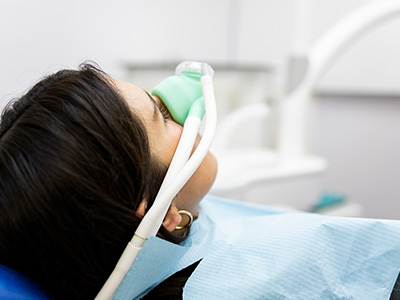
Nitrous oxide, often called "laughing gas," is a mild inhaled sedative used in dentistry to reduce anxiety and enhance comfort during procedures. It is delivered through a small, soft mask placed over the nose and mixed with oxygen to produce a calming, light-headed sensation while patients remain conscious and able to respond. The gas acts quickly — patients usually notice its effects within a few breaths — and the depth of sedation can be adjusted in real time by the dental team to match the needs of the procedure.
Unlike deeper forms of sedation, nitrous oxide provides anxiolysis and mild analgesia without impairing protective reflexes or consciousness. Patients can speak, follow instructions, and signal discomfort if necessary. Because the gas is rapidly eliminated through normal breathing once administration stops, recovery is swift: most people feel clear-headed again after a few minutes of breathing pure oxygen, which makes nitrous oxide a practical option for many outpatient dental visits.
It’s important to think of nitrous oxide as part of a spectrum of sedation methods rather than a one-size-fits-all solution. For brief or moderately uncomfortable treatments, it often strikes a good balance between comfort and control. For longer, more invasive procedures or special medical circumstances, your dental team may recommend a different approach or combine nitrous oxide with other measures to ensure safety and comfort.
Nitrous oxide is particularly well suited to patients who experience dental anxiety or low-to-moderate fear of dental care. It helps quiet the body’s stress response so patients can sit more comfortably through cleanings, fillings, extractions, or restorative work. Children who need help staying calm during routine treatments also respond well to nitrous oxide because it reduces fear while allowing them to remain awake and cooperative, which can make appointments smoother and less traumatic.
Beyond anxiety, nitrous oxide can be useful for people with sensitive teeth, a pronounced gag reflex, or those undergoing longer procedures who would otherwise struggle to remain relaxed. It’s also an option for patients who prefer not to use oral sedatives or who want a sedation method with a very short recovery period. That said, individual suitability is determined by a clinical evaluation; certain medical conditions, recent respiratory illnesses, or specific medications may affect whether nitrous oxide is recommended.
Pregnancy, chronic respiratory disorders, and some psychiatric or neurological conditions may require special consideration. Rather than making assumptions, dental clinicians review medical histories and current medications before recommending any sedation. If nitrous oxide is not an appropriate choice, your provider will explain alternatives that maintain both comfort and safety for your particular situation.
At the office of Ramsi Dental, the dental team prioritizes matching the sedation approach to each patient’s physical health and anxiety level. A personalized plan ensures that nitrous oxide is used only when it supports a safer, more comfortable experience and that patients are closely monitored throughout the visit.
Beginning a nitrous oxide appointment typically involves a brief pre-treatment discussion and review of your medical history. Once seated, the clinician places a snug nasal mask and begins a steady flow of oxygen. Nitrous oxide is introduced gradually and titrated until the patient achieves the desired level of relaxation. Because the level is adjustable, the team can increase or decrease the concentration to keep the patient comfortable at every stage of the procedure.
Throughout the appointment, clinicians observe breathing, skin tone, and mental responsiveness to ensure that sedation remains within the intended, mild range. Patients generally report a warm, tingling feeling, lightness, or a sense of detachment from anxiety; speech and voluntary movement typically remain intact. If a patient ever feels uncomfortable or wants the gas reduced, they can communicate it immediately and the provider will respond promptly.
When the treatment is finished, nitrous oxide administration stops and pure oxygen is given for several minutes to help clear any residual gas. Most patients notice an immediate return to baseline alertness and can resume normal, light activities. Because effects dissipate quickly, nitrous oxide is convenient for outpatient visits, though clinicians will advise any activity restrictions if additional medications or sedatives were used in combination.
Safety is a primary consideration with any sedative technique, and nitrous oxide has a long record of predictable, low-risk use in dental settings when administered by trained professionals. Modern delivery systems mix nitrous oxide with oxygen and include fail-safes to prevent the administration of pure nitrous oxide alone. Dental teams are trained to monitor patients continuously and to respond to changes in respiratory rate, color, or level of consciousness.
Regulatory bodies and professional organizations set guidelines for the use of inhaled sedation, covering equipment maintenance, monitoring protocols, and staff training. Effective use depends on both the quality of the equipment and the expertise of the clinicians operating it. Providers maintain skills through ongoing education and follow established protocols for emergency preparedness and infection control to protect patient safety at all times.
While nitrous oxide is well tolerated by most people, clinicians screen patients carefully to identify contraindications and to determine appropriate oxygen-nitrous oxide ratios. Open communication about health history, current medications, and recent illnesses helps the dental team make informed decisions and reduces the chance of complications. In the rare event of an adverse reaction, immediate cessation of nitrous oxide and administration of oxygen are effective measures to restore normal breathing and alertness.
Preparing for a nitrous oxide visit is straightforward. Patients are usually encouraged to eat a light meal beforehand and to arrive with any relevant medical records or medication lists. Wearing comfortable clothing and allowing extra time for check-in can reduce pre-appointment stress. If you have questions about prescription medications or specific medical conditions, mention them when you schedule the visit so the team can advise you ahead of time.
Because nitrous oxide leaves the body quickly, most people do not require an escort and can drive themselves after a short recovery period. However, if you are combining nitrous oxide with stronger oral sedatives or other forms of anesthesia, different post-procedure instructions may apply, and arranging transportation may be necessary. For children, a responsible adult should be available to take them home and monitor them briefly after the appointment.
Aftercare is generally minimal: patients can resume normal activities and diet unless otherwise directed by the clinician. Some individuals report transient lightheadedness or mild nausea, but these effects typically resolve within minutes. If you experience any unexpected symptoms after leaving the office, contact your dental provider to discuss them and receive appropriate guidance.
Ramsi Dental’s team takes time to explain what to expect before and after nitrous oxide so patients can make informed choices and arrive with confidence. Clear instructions and attentive monitoring help ensure that the sedation experience supports a positive dental visit for people of all ages.
In summary, nitrous oxide is a flexible, fast-acting sedation option that reduces anxiety and enhances comfort for many dental procedures while allowing patients to remain awake and responsive. If you’d like to learn whether nitrous oxide is a good fit for an upcoming appointment, please contact us for more information.


Nitrous oxide, commonly called laughing gas, is a mild inhaled sedative delivered with oxygen through a small nasal mask to reduce anxiety and produce light analgesia. It takes effect within a few breaths and is titrated by the clinician so the patient remains conscious, can follow instructions, and can communicate any discomfort during treatment. The gas does not eliminate protective reflexes and is eliminated quickly through normal breathing once administration stops.
Because onset and recovery are rapid, nitrous oxide is a practical option for many outpatient dental procedures that require anxiety control but not deep sedation. At Ramsi Dental the clinical team adjusts concentrations in real time and uses oxygen to flush remaining gas at the end of treatment to ensure patients return to baseline alertness quickly. This controllable, short-acting profile is what makes nitrous oxide distinct from deeper sedation methods.
Nitrous oxide is well suited for patients with mild to moderate dental anxiety, sensitive teeth, or a strong gag reflex who need to remain awake and cooperative during routine treatments. It is commonly used for cleanings, fillings, simple extractions, and some restorative procedures where the goal is anxiety reduction rather than complete unconsciousness. Suitability is determined by a clinical review of health history, current medications, and the planned procedure.
Children often respond favorably to nitrous oxide because it calms fear while allowing them to follow directions, which can improve cooperation and reduce trauma during visits. That said, individual assessment is essential: certain medical conditions or recent respiratory illnesses may make nitrous oxide an inappropriate choice, and the dental team will recommend alternatives when necessary.
Preparation for a nitrous oxide visit is straightforward: eat a light meal, bring an up-to-date list of medications and medical history, and wear comfortable clothing that won’t restrict breathing or circulation. If you have specific medical conditions or are taking prescription medications, mention these when scheduling so the team can advise whether any special steps are needed. For children, ensure a responsible adult is available to accompany them and provide relevant health information.
Most patients do not need an escort after nitrous oxide because effects wear off rapidly once oxygen is supplied, but if you will receive additional sedatives or have other medical concerns, arrange transportation as advised by the clinician. Clear communication with the dental team before arrival helps identify contraindications and allows the clinician to plan monitoring and any needed precautions for a safe, comfortable visit.
During administration many patients report warmth, lightness, tingling, or a pleasant sense of relaxation; these sensations vary by individual and by the concentration used. Speech and voluntary movement generally remain intact, so the patient can respond to instructions and signal any discomfort. Clinicians continuously observe breathing, color, and responsiveness to ensure the sedative effect stays within the intended mild range.
After the gas is stopped and oxygen administered, most people return to normal alertness within minutes and can resume typical light activities unless combined with other sedatives. Some individuals may experience brief lightheadedness or mild nausea that resolves quickly; if any unexpected symptoms persist after leaving the office, patients are instructed to contact the practice for guidance. The short recovery time is one of the practical advantages of nitrous oxide for outpatient care.
Yes. Certain respiratory illnesses or chronic pulmonary conditions can limit the safe use of inhaled agents, and recent upper respiratory infections may temporarily preclude administration until recovery. Additionally, conditions such as severe chronic obstructive pulmonary disease, some psychiatric or neurological disorders, and known vitamin B12 deficiency require careful evaluation because nitrous oxide can have specific physiological interactions.
Pregnancy, particularly in the first trimester, and certain medications may also influence the decision to use nitrous oxide, so the dental clinician reviews medical history and current treatments before recommending sedation. If nitrous oxide is judged inappropriate, the team will discuss alternative approaches that prioritize both comfort and safety for the individual patient.
Monitoring during nitrous oxide administration includes continuous observation of the patient’s breathing, skin color, level of responsiveness, and overall comfort so the clinician can adjust concentrations as needed. Modern delivery systems are designed with safety features that ensure oxygen is administered and prevent the accidental delivery of pure nitrous oxide. Staff are trained to recognize changes in respiratory rate or consciousness and to respond immediately.
Many practices also use pulse oximetry when clinically indicated to track oxygen saturation, and they follow professional guidelines for equipment maintenance and staff competency. Regular training, established monitoring protocols, and adherence to regulatory standards help ensure that nitrous oxide is administered safely and effectively.
When used appropriately, nitrous oxide is a safe and effective tool for pediatric dental anxiety and cooperation, because it calms fear while allowing the child to remain awake and responsive. The clinician tailors the concentration to the child’s size, medical history, and behavioral needs, and the team obtains informed parental consent before proceeding. Pediatric equipment and clear communication help create a predictable, low-stress experience for young patients.
Children with certain medical conditions, recent respiratory infections, or developmental concerns will be evaluated carefully to determine suitability, and alternatives may be recommended when needed. Following the procedure, children are observed until recovery is complete and a responsible adult accompanies them home, per the practice’s pediatric protocols.
Nitrous oxide produces mild to moderate anxiolysis with rapid onset and recovery, allowing the patient to remain conscious and maintain protective reflexes, which contrasts with oral or IV sedation that can produce deeper levels of sedation and longer recovery times. Oral sedatives require advance dosing and can have variable effects depending on metabolism and interactions with other medications, while IV sedation provides more predictable deeper sedation but demands more intensive monitoring and recovery resources.
Because nitrous oxide is adjustable in real time and wears off quickly, it is often preferred for shorter procedures or for patients who want minimal downtime. The choice of sedation is individualized based on the procedure, medical history, patient anxiety level, and safety considerations discussed during the pre-treatment evaluation.
If a patient shows signs of an adverse reaction the immediate step is to discontinue nitrous oxide and administer 100 percent oxygen while the clinical team assesses breathing, skin color, and level of consciousness. Staff are trained to provide basic supportive measures, monitor vital signs, and determine whether additional medical intervention is needed. Most minor reactions resolve quickly with cessation and oxygen therapy.
For more serious or persistent problems the practice follows emergency protocols, which may include supplemental oxygen, basic life support measures, and activation of emergency medical services when indicated. Documentation of the event, follow-up instructions, and review of medical history help prevent recurrence and inform future sedation decisions.
The decision to use nitrous oxide is based on a combination of the patient’s medical history, anxiety level, behavioral needs, the complexity and duration of the procedure, and any concurrent medications. During a pre-treatment consultation the clinician conducts a focused health review and discusses expectations and alternatives so the patient can make an informed choice. The goal is to match the level of sedation to both safety requirements and the desired comfort outcome.
When nitrous oxide is appropriate, the team explains the process, monitors closely during treatment, and provides post-treatment care instructions tailored to the patient’s situation. If a different sedation strategy is safer or more effective, the clinician will outline those options and the rationale, ensuring transparent, patient-centered decision making at Ramsi Dental.

We’d love to hear from you! Whether you have questions about our services, want to schedule an appointment, need guidance on your dental care, or simply want to learn more about how we can help you achieve a healthy, confident smile, our friendly and knowledgeable team is here to assist you.
Visit us at Ramsi Dental or reach out by phone or through our online form. We’re committed to making your experience easy, welcoming, and stress-free, and we’ll respond promptly to ensure you get the care you need.