Tooth loss affects far more people than many realize, and the impact goes beyond appearance. Missing teeth can change how you chew, alter your speech, and gradually affect the bone and soft tissues that support your smile. Advances in dental implant technology have shifted how clinicians approach tooth replacement, offering options that restore function while preserving facial structure.

Dental implants are engineered to integrate with the jawbone and act as stable anchors for crowns, bridges, or dentures. Because they replace the tooth root as well as the visible crown, implants help maintain bone volume and support facial contours in a way that removable replacements cannot. This combination of stability and biology explains why implants have become the preferred long-term solution for many patients.
At Ramsi Dental, we focus on tailoring implant care to each patient’s needs. That means considering oral health, lifestyle, and aesthetic goals to create a plan that delivers dependable results and a natural appearance.
Implants are designed to recreate the relationship between root and crown. When an implant integrates with bone, the resulting foundation provides the same kind of resistance and feedback you expect from a natural tooth. That makes eating and speaking feel more secure than with removable appliances.
Because prosthetic crowns attach directly to an implant instead of relying on neighboring teeth for support, implants can preserve adjacent healthy teeth and offer a very natural chewing pattern. For many people, that means fewer dietary restrictions and a restored sense of normal function.
An implant restoration is a system: the surgical post, the abutment that connects to it, and the visible crown or prosthesis that completes the tooth. Modern implants are manufactured from biocompatible materials such as titanium or ceramic, chosen for strength and the ability to fuse with living bone in a process called osseointegration.
Successful implant care begins with precise planning. We evaluate bone volume, tissue health, and adjacent structures and use imaging and measurements to determine optimal implant position. Thoughtful planning reduces surprises during surgery and improves the long-term predictability of the restoration.
Titanium has a long clinical history because bone bonds to it reliably. Ceramic implants offer an alternative for patients who prefer metal-free options. Regardless of the material, the key to long-term success is healthy bone and soft tissue surrounding the implant. During healing, the implant becomes firmly anchored, creating the stable platform needed for the final restoration.
People who choose implants often describe a clear improvement in confidence and comfort. The most immediate changes tend to be functional: the ability to eat a wider variety of foods, to speak without concern for slipping, and to smile without self-consciousness. Over time, the preserved bone support helps maintain facial proportions and reduces the sunken appearance that can accompany long-term tooth loss.
Beyond those everyday advantages, implants reduce the need to alter adjacent teeth. Where a traditional bridge requires shaping neighboring teeth to anchor the prosthesis, implant restorations are freestanding and preserve natural tooth structure.
Implant dentistry is not one-size-fits-all. We evaluate each case on its merits and explain the benefits that matter most for your situation, helping you decide whether implants align with your personal goals for oral health and appearance.
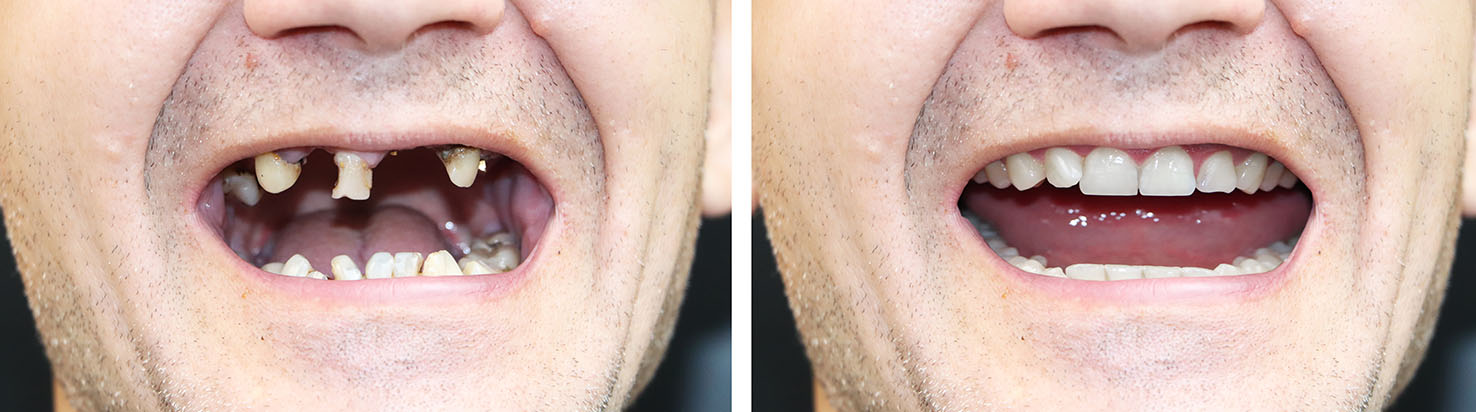
Implant dentistry covers a wide spectrum of needs — from replacing a single missing tooth to restoring an entire arch. The right option depends on how many teeth are missing, bone availability, and your long-term goals for comfort and appearance. Each approach prioritizes stability and function while aiming for a natural look.
Most adults with missing teeth are potential candidates for implants, but suitability depends on individual factors such as general health, gum condition, and available bone. Smoking, uncontrolled medical conditions, and certain oral diseases can affect healing, so a careful medical and dental review is part of the assessment.
We focus on individualized treatment planning. That means discussing your expectations, conducting a thorough oral exam, and using imaging to map out precise implant placement. Our goal is to design a plan that aligns with your functional needs and aesthetic goals while minimizing risk.
Implant placement is typically performed as a minor outpatient procedure. Depending on the case, it may be a straightforward implant insertion or a more involved approach that includes bone grafting or sinus augmentation. We review anesthesia and sedation options so you know what to expect during surgery, and we provide clear pre- and post-operative instructions to support smooth recovery.
After placement, implants require time to integrate with the bone. Some restorations allow for provisional teeth soon after surgery, while others follow a staged timeline that places the permanent crowns, bridges, or dentures once integration is complete.
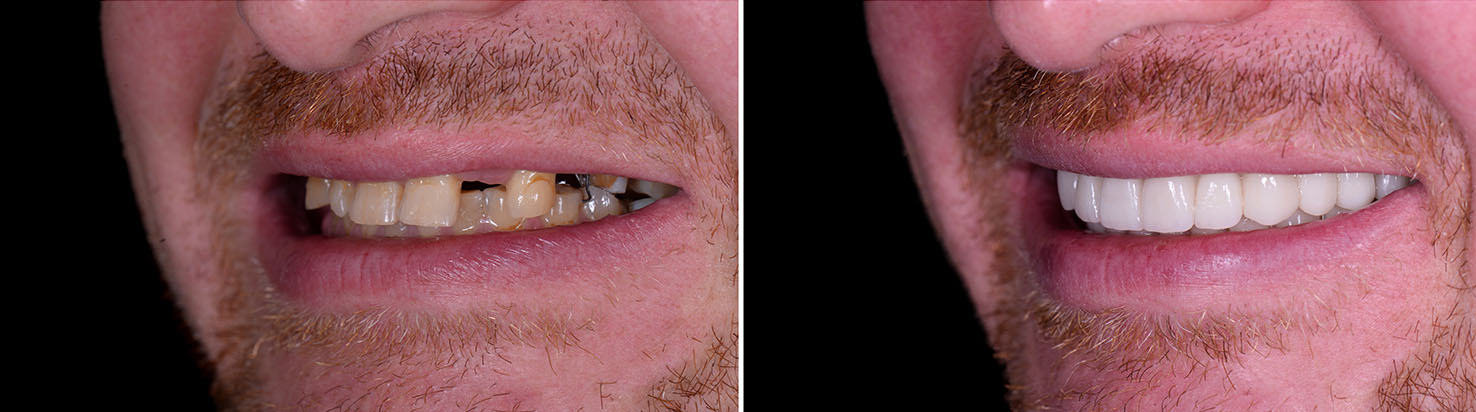
Successful implant placement depends on sufficient bone to support the post. If bone volume has diminished due to tooth loss or disease, a bone graft can restore the foundation needed for a stable implant. Grafting techniques rebuild the ridge and create the conditions for predictable long-term success.
Rebuilding a functional, attractive smile with implant dentistry is a highly individualized process that balances biology, technology, and aesthetics. Our team emphasizes clear communication and thoughtful planning to help you make informed decisions about your care.
If you'd like to learn more about implant options or explore whether they are right for you, contact us for more information.


Dental implants are medical-grade posts placed in the jaw to replace the root portion of a missing tooth. They serve as anchors for prosthetic crowns, bridges, or dentures and are designed to integrate with bone to provide a stable foundation. Because implants replace the root as well as the visible tooth, they preserve bone and support facial structure in ways removable options cannot.
Implant restorations recreate the relationship between a root and a crown so chewing forces travel through the implant into the jaw much like a natural tooth. This stability helps restore comfortable function for eating and speaking and reduces the need to alter adjacent healthy teeth. At Ramsi Dental we tailor implant solutions to each patient’s needs, balancing function, longevity, and a natural appearance.
Most healthy adults with one or more missing teeth are potential candidates for dental implants, but suitability depends on a number of individual factors. Key considerations include the health of the gums, the amount and quality of jawbone, overall medical status, and habits such as smoking that can affect healing. A comprehensive evaluation including clinical examination and imaging helps determine whether the local and systemic conditions are favorable for implant therapy.
Even when bone volume is limited, many patients can still pursue implants with adjunctive procedures like bone grafting or guided bone regeneration. Certain medical conditions may require coordination with a patient’s physician to optimize healing and safety. The decision to proceed is made collaboratively with an informed discussion of the clinical findings and treatment options.
An implant restoration is a system that includes the surgical post, an abutment, and the visible crown or prosthesis that completes the tooth. The post is placed into the bone to act as a root substitute, the abutment connects the post to the prosthetic tooth, and the crown restores form and function. Each component is selected for compatibility and to achieve the desired strength, esthetics, and fit for the final restoration.
Successful outcomes rely on precise planning and prosthetic-driven placement so the implant sits in the ideal position for the planned crown or bridge. Laboratory work and digital design are often used to create a restoration that matches surrounding teeth and delivers a comfortable bite. Proper component selection and accurate fabrication contribute to long-term stability and predictable function.
Common implant materials include titanium and high-strength ceramic, each chosen for biocompatibility and mechanical properties. Titanium has a long clinical history and promotes reliable bone integration, while ceramic implants offer a metal-free alternative for patients with specific preferences. Both materials are engineered to withstand chewing forces and to foster a strong biological connection with surrounding bone.
Abutments and crowns are made from a range of restorative materials such as zirconia, porcelain-fused-to-metal, or full-ceramic options to balance strength and esthetics. Material choice depends on the location of the tooth, esthetic demands, and occlusal forces. Clinicians consider these factors to recommend a restorative plan that optimizes appearance and durability.
The process begins with a diagnostic evaluation that includes a dental exam, imaging, and treatment planning to determine implant position and the need for any preparatory procedures. Implant placement is performed as a minor outpatient surgery during which the post is inserted into the bone, and the site is allowed to heal while the implant integrates. Depending on the case, a provisional restoration may be placed immediately or after a short healing interval.
After osseointegration, the abutment and final prosthesis are placed and adjustments are made to fine-tune the fit, bite, and appearance. The overall timeline varies with each patient's biology and any additional procedures, but the focus remains on predictable healing and a prosthesis that restores comfortable function. Our team at Ramsi Dental emphasizes clear communication throughout each phase so patients understand what to expect.
Bone grafting or sinus augmentation is recommended when the existing jawbone lacks sufficient volume or quality to support an implant safely and predictably. Bone loss commonly follows tooth extraction, periodontal disease, or long-term tooth absence, and grafting rebuilds the ridge to provide adequate support. The specific technique is chosen based on the site, the amount of bone needed, and the patient’s overall anatomy.
A sinus lift is used in the upper posterior jaw when the sinus cavity encroaches on the available bone height and additional vertical bone is required. Grafting materials can be autogenous, allograft, xenograft, or synthetic, and they act as a scaffold for new bone formation. These procedures are standard in implant planning and often enable implant placement that would otherwise be compromised.
Recovery from implant surgery is typically well tolerated and managed with a combination of post-operative instructions, medications when appropriate, and short-term activity modifications. Common immediate post-operative effects include mild swelling, bruising, and discomfort at the surgical site, which generally peak within the first few days and then improve. Following the provider’s care instructions for oral hygiene, diet, and activity helps reduce complications and supports healing.
The critical phase is osseointegration, during which the bone bonds to the implant surface and creates a stable foundation for the final restoration. This biological process takes several weeks to months depending on the site and any adjunctive procedures, and routine follow-up visits are scheduled to monitor healing. Most patients resume normal daily activities quickly while following guidance on protecting the healing site.
Long-term care for implants mirrors excellent natural tooth hygiene and includes regular brushing, interdental cleaning, and professional maintenance visits. Using appropriate tools such as interdental brushes or floss designed for implants helps remove plaque around the abutment and prosthesis without damaging components. Routine dental checkups allow the clinician to assess soft tissue health, prosthetic integrity, and occlusion so small issues can be addressed early.
Maintaining healthy gum tissue and controlling risk factors such as smoking or uncontrolled systemic conditions are important for implant longevity. With proper home care and regular professional follow-up, implants can remain stable and functional for many years. If you have specific hygiene questions or need tailored maintenance recommendations, the team can demonstrate techniques during your visit.
As with any surgical procedure, dental implant placement carries potential risks including infection, prolonged swelling, nerve irritation, and implant failure if integration does not occur. Peri-implantitis, an inflammatory condition affecting the soft tissue and bone around an implant, can develop if plaque control is inadequate or if other risk factors are present. Careful planning, sterile surgical technique, and diligent post-operative care reduce the likelihood of complications.
Early recognition and management are important when complications arise; treatments vary from enhanced hygiene and local therapy to surgical interventions in more advanced cases. Risk mitigation also includes evaluating systemic factors and optimizing oral health before placement. An open dialogue about risks and realistic expectations is part of every treatment plan to support informed decision-making.
Implant dentistry offers flexible solutions ranging from single-tooth implants and crowns to implant-supported bridges and full-arch restorations. A single implant with a crown replaces an individual tooth without altering adjacent teeth, while implant-supported bridges can span multiple missing teeth using strategically placed implants to support several connected crowns. For patients missing most or all teeth in an arch, fixed full-arch restorations or implant-retained removable prostheses provide stable, functional alternatives to conventional dentures.
The choice among these options depends on the number and location of missing teeth, bone volume, esthetic goals, and the patient’s preferences for fixed versus removable restorations. Treatment planning focuses on delivering dependable function and a natural appearance while preserving remaining oral structures. A personalized consultation evaluates which approach best balances durability, maintenance, and daily comfort.

We’d love to hear from you! Whether you have questions about our services, want to schedule an appointment, need guidance on your dental care, or simply want to learn more about how we can help you achieve a healthy, confident smile, our friendly and knowledgeable team is here to assist you.
Visit us at Ramsi Dental or reach out by phone or through our online form. We’re committed to making your experience easy, welcoming, and stress-free, and we’ll respond promptly to ensure you get the care you need.