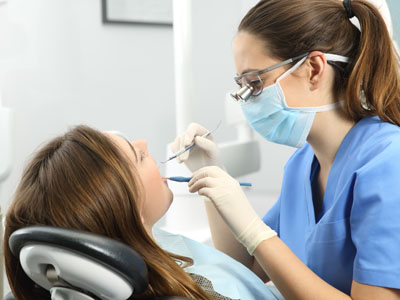
Keeping your smile healthy begins at home, but routine professional cleanings play a vital role in preserving long-term oral health. Even with careful daily brushing and flossing, many surfaces and spaces in the mouth are difficult to reach. Regular visits to a dental hygienist remove hardened deposits, address early signs of gum inflammation, and help prevent small problems from becoming more complex. These appointments are preventative care in action—simple, efficient, and highly effective at maintaining a confident, comfortable smile.
Daily oral hygiene removes much of the soft plaque that forms on teeth, but plaque that remains can mineralize into tartar, a hard deposit that only a dental professional can safely remove. Tartar creates a rough surface where bacteria collect and multiply, which increases the risk of cavities and periodontal disease. Professional cleanings interrupt this cycle by eliminating both plaque and tartar in areas that are challenging to clean at home.
Beyond the visible benefits of a cleaner mouth, routine cleanings support gum health and can reduce inflammation. Early-stage gum disease (gingivitis) is frequently reversible when identified and treated promptly. By removing irritants and monitoring gum condition over time, hygienists help preserve attachment between tooth and gum and reduce the likelihood of progression to more serious periodontal problems.
There is also a broader health argument for keeping the mouth well maintained. Chronic oral inflammation has been linked in research to certain systemic conditions, and reducing bacterial burden in the oral cavity contributes to overall well-being. While a cleaning isn’t a cure-all, it is a key preventive measure that complements medical care and supports long-term health.
A typical professional cleaning is a methodical process designed to remove deposits, disinfect, and polish tooth surfaces. The appointment usually begins with an exam of the mouth and gums so the hygienist can identify areas of concern—redness, sensitivity, or buildup that requires extra attention. This assessment helps tailor the cleaning to your individual needs and ensures any potential problems are flagged early.
Hygienists use a combination of instruments: hand tools to gently scrape away hardened tartar and ultrasonic scalers that use vibrating tips and a water spray to dislodge deposits efficiently. These tools are used with precision to clean both the visible surfaces and the shallow spaces just below the gumline where bacteria tend to collect. After scaling, teeth are polished to remove surface stains and to smooth the enamel, which makes it harder for new plaque to adhere quickly.
Comfort and safety are priorities throughout the visit. If you experience sensitivity, the hygienist can adjust techniques, use desensitizing agents, or apply topical gels. The appointment typically concludes with a brief review of findings and personalized recommendations for follow-up care, whether that’s a routine recall or additional periodontal care if pockets or advanced signs are present.
Although many people benefit from cleanings twice a year, the ideal schedule depends on individual risk factors. A patient with a history of gum disease, a weakened immune system, diabetes, heavy plaque buildup, or habits like smoking may need more frequent visits—often every three to four months—to keep disease activity under control. Conversely, someone with excellent oral health and minimal risk factors might maintain stability with less frequent visits as directed by their clinician.
Hygienists and dentists assess risk by evaluating gum measurements, the amount of tartar, bleeding on probing, and the overall pattern of oral health over time. These metrics allow the dental team to create a maintenance plan that balances effectiveness and convenience for each patient. Regular appointments also let clinicians monitor changes and intervene earlier, which usually means simpler and less invasive care down the line.
Open communication about medical history, medications, and lifestyle is important when determining recall frequency. Certain medications and health conditions can influence saliva flow, tissue response, and healing, all of which affect how often professional attention is recommended. Your dental team considers these factors to arrive at a practical, evidence-informed schedule.
Cleaning isn’t just about removing visible deposits. Healthy gums require maintenance of the tissue that surrounds and supports teeth. When bacteria accumulate beneath the gumline, it can lead to pocketing and attachment loss. Hygienists are trained to access these areas safely and to perform treatments that help reduce bacterial load and inflammation without unnecessarily removing tissue.
For patients showing signs of early periodontal disease, targeted deep-cleaning approaches may be recommended. These focus on thoroughly debriding root surfaces and disrupting bacterial colonies that standard brushing cannot reach. The goal is to reduce pocket depth and inflammation so the gums can reattach and heal, minimizing the need for more invasive procedures later.
Follow-up monitoring is an essential part of periodontal care. Once treatment reduces inflammation and pocketing, regular maintenance visits help keep bacteria at bay and preserve the gains achieved. This ongoing approach—assessment, treatment, and maintenance—delivers better long-term outcomes than episodic, reactive care.
Professional cleanings are most effective when paired with consistent home care. Brushing twice daily with a fluoride toothpaste removes the majority of plaque; paying attention to technique—gentle circular motions and a light angle toward the gumline—helps clean where the tooth meets the gum. Using a soft-bristled brush and replacing it every three months keeps brushing effective and gentle on tissue.
Daily interdental cleaning is equally important. Flossing or using interdental brushes reaches the tight contacts between teeth where brushes cannot, disrupting plaque before it mineralizes. For people with wider spaces or dental work, specialized tools like floss threaders or water flossers may be recommended to achieve thorough cleaning comfortably.
Small lifestyle choices also extend the benefits of a cleaning. Limiting frequent sugary snacks, staying hydrated to support saliva flow, and avoiding tobacco all reduce the conditions that encourage plaque formation and gum inflammation. Your hygienist can offer specific, practical tips tailored to your routine to help you maintain the polished feeling long after you leave the office.
Dental cleanings are a cornerstone of preventive dental care—simple appointments that yield big benefits for oral and overall health. If you’d like to learn more about how regular cleanings fit into a personalized care plan, please contact us for more information.


A professional dental cleaning is a preventive appointment performed by a licensed dental hygienist to remove plaque, tartar and surface stains from teeth. The visit typically includes an oral soft tissue exam, careful scaling of hard deposits and polishing of enamel to reduce surface roughness. These steps are designed to lower bacterial levels in the mouth and create conditions that make daily home care more effective.
Cleanings also allow the dental team to identify early signs of decay, gum inflammation or other oral health changes that may need attention. By catching issues early, clinicians can recommend simple interventions that reduce the likelihood of more complex treatment later. Regular cleanings are one component of a broader preventive plan aimed at maintaining healthy teeth, gums and supporting tissues.
Regular professional cleanings interrupt the cycle of plaque accumulation and mineralization into tartar, which only a clinician can remove safely. At Ramsi Dental these appointments are used not only to clean but to assess gum health, measure pocket depths and flag areas that need closer monitoring. Removing deposits and reducing inflammation decreases the risk of cavities and limits progression toward periodontal disease.
Beyond local benefits, controlling oral bacterial load supports overall well-being because chronic oral inflammation can contribute to systemic stress on the body. Routine visits also reinforce good home care habits through education and tailored recommendations. In sum, regular cleanings preserve oral function and make long-term maintenance simpler and less invasive.
Hygienists commonly use a blend of manual instruments and ultrasonic scalers to remove plaque and hardened tartar from tooth surfaces and the shallow area just below the gumline. Ultrasonic scalers vibrate to dislodge deposits while irrigating with water, which helps flush debris; hand instruments allow precise removal in tight spots and along root surfaces. After scaling, a low-abrasive polish smooths enamel and removes surface stains to reduce places where plaque can reattach.
When needed, clinicians apply topical desensitizing agents or adjust technique to manage sensitivity and improve comfort. Infection control protocols and sterilization of instruments are standard to protect patient safety. The overall approach is methodical and tailored to the condition of each patient’s teeth and gums.
The most common recommendation for many adults is a cleaning every six months, but frequency should be individualized based on risk factors and clinical findings. Patients with a history of periodontal disease, heavy plaque buildup, certain systemic conditions or tobacco use may need more frequent maintenance visits, often every three to four months, to control disease activity. Conversely, individuals with excellent oral health and low risk may be placed on a longer recall interval as determined by their dental team.
Hygienists and dentists decide recall intervals by evaluating gum measurements, the amount of tartar, bleeding on probing and patterns observed over time. Open communication about medical history, medications and lifestyle helps clinicians tailor a plan that balances effectiveness and convenience. Regular reassessment ensures the schedule adapts if risk factors change.
Most patients experience little or no pain during a routine cleaning, though areas with heavy buildup or inflamed gums can feel sensitive when worked on. Hygienists adjust technique, use topical desensitizing agents or provide short breaks to maintain patient comfort throughout the appointment. If extensive root debridement is needed, clinicians may recommend local anesthetic to ensure a comfortable experience.
Post-cleaning sensitivity or mild gum tenderness is common for a short time and usually eases with good home care and time. If sensitivity persists or worsens, the dental team will evaluate for underlying issues such as recession, cracked teeth or tooth decay and recommend appropriate treatment. Prompt communication with your provider helps resolve discomfort quickly and safely.
Yes, professional cleanings are a primary preventive measure against gum disease because they remove the tartar and bacteria that drive inflammation and attachment loss. Early-stage gum disease, or gingivitis, is often reversible when identified and treated with improved home care and regular professional therapy. Continued maintenance visits help keep bacterial levels low and allow clinicians to monitor tissue response.
For patients with established periodontal disease, routine cleanings alone may not be sufficient, but they remain a key component of an ongoing maintenance strategy. Combining professional debridement with targeted periodontal treatments and consistent home care yields the best chance of controlling disease progression. Long-term success depends on both clinical treatment and patient adherence to recommended oral hygiene practices.
Scaling and root planing is a deeper, non-surgical cleaning procedure that removes bacteria, plaque and calculus from tooth root surfaces and the pockets beneath the gumline. It is typically recommended when periodontal pockets are present and simple prophylactic cleanings are insufficient to control infection and inflammation. The goal is to reduce pocket depth, disrupt bacterial colonies and create a cleaner surface that supports tissue reattachment.
After scaling and root planing, follow-up assessments are important to evaluate healing and pocket reduction, and additional maintenance visits are scheduled as needed. Adjunctive therapies, such as localized antimicrobials or improved home care protocols, may be recommended to support healing. When performed early and followed by regular maintenance, these measures often reduce the need for more invasive surgical procedures.
Before a cleaning, update your medical history and provide a list of current medications to the dental team, as systemic conditions and drugs can affect oral tissues and treatment decisions. Bring any questions you want to discuss and arrive with a recent record of home care habits so the hygienist can offer practical, personalized advice. If you have known medical conditions that require special precautions, inform the office ahead of time so staff can prepare appropriately.
On the day of the appointment, continue your usual oral hygiene routine—brushing and flossing—to help the clinician get an accurate picture of your daily care. If you experience active oral pain, swelling or a recent change in health, call the office before your visit so they can advise whether to proceed or reschedule. Clear communication helps the team deliver safe, effective care tailored to your needs.
After a cleaning you may notice smooth, polished teeth and possibly mild gum tenderness or brief sensitivity, especially where buildup was heavy. Maintain gentle brushing with a soft-bristled brush and continue daily interdental cleaning to preserve results and prevent rapid reaccumulation of plaque. If the hygienist applied desensitizing gel or recommended a sensitivity toothpaste, follow those instructions to manage discomfort.
Keep an eye on any unusual signs such as prolonged bleeding, increasing pain or swelling, and report these to your dental team if they persist. Regular home care combined with the recall schedule recommended by your clinician is the most reliable way to sustain the benefits of a professional cleaning. Ongoing monitoring allows the team to intervene early if changes occur.
The dental team creates individualized maintenance plans by reviewing clinical measurements such as pocket depths, bleeding on probing, the amount of tartar and the patient’s overall oral health history. At Ramsi Dental this assessment is combined with a discussion of medical history, medications and lifestyle factors to determine an appropriate recall interval and any additional therapies needed. The plan balances disease control, risk reduction and practical considerations to support long-term oral health.
Maintenance plans are not static; clinicians reassess at each visit and adjust frequency or treatment methods based on how tissues respond and whether risk factors change. Patient education and clear follow-up instructions are integral so individuals understand their role in maintaining improvements. This collaborative, evidence-informed approach helps preserve results and reduces the likelihood of more complex treatment in the future.

We’d love to hear from you! Whether you have questions about our services, want to schedule an appointment, need guidance on your dental care, or simply want to learn more about how we can help you achieve a healthy, confident smile, our friendly and knowledgeable team is here to assist you.
Visit us at Ramsi Dental or reach out by phone or through our online form. We’re committed to making your experience easy, welcoming, and stress-free, and we’ll respond promptly to ensure you get the care you need.