At Ramsi Dental, we emphasize predictable clinical outcomes and patient comfort. CEREC technology lets clinicians plan, fabricate, and place ceramic crowns, inlays, and onlays during a single appointment, reducing the logistical burden on patients while preserving the high standards of restorative dentistry. This page explains how the process works, the materials involved, and what patients can expect from a CEREC visit.
CEREC integrates chairside CAD/CAM into routine restorative care so that a complete restoration—from preparation to placement—can happen without sending impressions to an external lab. Using high-resolution digital scans, the system captures the three-dimensional shape of the prepared tooth and the surrounding occlusion. These digital files are immediately available for design, which shortens turnaround time and reduces the opportunity for errors associated with physical impression materials.
The digital workflow emphasizes repeatability and control. Clinicians can evaluate margin integrity, contact points, and occlusal relationships on-screen before committing to a final design. Adjustments are rapid and precise because the model is virtual; the software records exact dimensions and allows for fine-tuning of contours and contacts prior to milling. That precision translates into restorations that fit closely and function reliably from day one.
From the patient perspective, the digital approach minimizes discomfort and improves predictability. The absence of bulky impression trays and the ability to visualize the proposed restoration during planning are advantages many patients appreciate. Clinically, the streamlined process reduces the number of appointments and the need for temporary restorations, while maintaining rigorous standards for fit and finish.
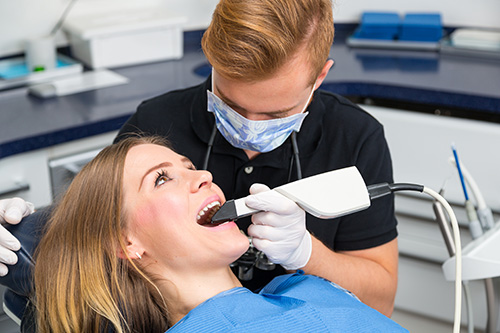
Intraoral scanners capture a detailed digital impression without the mess and discomfort of conventional materials. A compact scanning wand is moved gently around the prepared tooth and adjacent surfaces, stitching thousands of images into an accurate 3D model. This noninvasive capture is quicker for most cases and can be repeated instantly if additional detail is needed, eliminating delays associated with retaking physical impressions.
Digital impressions also support better communication between clinician and patient. The on-screen model allows patients to see the preparation and understand how the restoration will interface with the rest of their dentition. For clinicians, immediate visualization means potential issues—such as undercuts, margin defects, or occlusal interferences—can be identified and corrected before milling, which helps produce a restoration that seats properly on the first try.
Because the digital file is precise and easily archived, it becomes a useful part of the patient record. Should a restoration need to be remade in the future, the original scan can be referenced or reused, speeding subsequent care and ensuring consistent results over time.
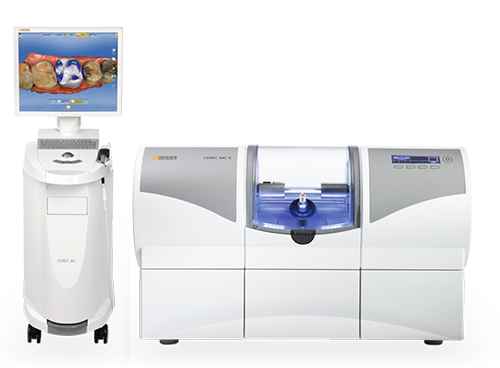
Once the intraoral scan is complete, specialized CAD software allows the clinician to design the restoration with control over anatomy, contacts, and occlusion. The design phase is where clinical judgment matters: contours are adjusted for hygiene, proximal contacts are set for stability, and the occlusal surface is sculpted for comfortable function. The finalized design is then transmitted to a chairside milling unit that fabricates the restoration from a solid ceramic block.
Milling technology has advanced to produce restorations with fine detail and consistent density. After milling, the restoration is refined—stained, glazed, or polished—to match adjacent teeth in shade and translucency. Because all steps happen in the operatory, clinicians can assess fit directly and make any necessary adjustments before bonding. This cohesive workflow supports a high level of quality control and reduces the chance of miscommunication between clinician and external laboratory.
The net effect is a restoration that blends clinical expertise with engineered accuracy. Careful design and milling produce margins that are precise and surfaces that are amenable to reliable adhesive protocols, which supports long-term performance when combined with proper bonding and occlusal management.

CEREC restorations are milled from high-strength ceramic blocks engineered for predictable wear and lifelike appearance. Modern ceramics combine strength with translucency, allowing restorations to mimic the way natural enamel transmits and reflects light. Shade matching is performed using both digital tools and traditional shade assessment so that crowns, inlays, and onlays integrate seamlessly with surrounding teeth.
Beyond looks, the ceramics used in chairside systems are selected for long-term durability and biocompatibility. When properly bonded and maintained, these restorations resist staining and function well under normal forces of mastication. The combination of a well-executed finish and an appropriate material selection contributes to the restoration’s resistance to chipping and wear over time.
Caring for a ceramic restoration is straightforward: maintain regular oral hygiene, avoid unusual habits that stress restorations, and attend routine dental checkups so your clinician can evaluate occlusion and margins. With these practices, ceramic restorations can provide a natural-looking and resilient solution for many restorative needs.
CEREC is suitable for a wide range of restorative cases, including single crowns, onlays, and inlays for teeth that require durable, esthetic repairs. Candidate selection depends on clinical factors such as the extent of decay or damage, occlusal considerations, and overall oral health. During an initial evaluation, the clinician assesses these elements and discusses whether a chairside restoration is the most appropriate option for your situation.
On the day of treatment, the tooth is prepared, and local anesthesia is used as needed for comfort. The digital scan is captured, and the restoration is designed and milled while you wait. Total time in the office varies by case complexity, but many patients complete the entire process in a single appointment. The clinician checks fit, makes any adjustments, and bonds the restoration using a proven adhesive protocol.
After placement, you may receive instructions on eating, oral hygiene, and what to expect in the hours following treatment. Minor sensitivity can occur as the tooth settles, but significant discomfort is uncommon. Follow-up appointments are scheduled as appropriate to confirm function and patient satisfaction with the restoration’s appearance and comfort.
To learn more about how CEREC restorations can fit into your care plan, or to discuss whether same-day ceramic work is appropriate for a specific concern, contact us for more information. Our team at Ramsi Dental can explain the workflow, material options, and what to expect during treatment so you can make an informed decision about your restorative care.


CEREC is a chairside CAD/CAM system that enables clinicians to design, mill and place ceramic restorations in a single appointment. It replaces traditional physical impressions with high-resolution digital scans that capture the prepared tooth and surrounding occlusion. Because the workflow is digital and operatory-based, laboratories are not required for many routine crowns, inlays and onlays.
Traditional crown fabrication typically involves impression materials, a lab fabrication phase and the use of temporary restorations while the final piece is made. CEREC shortens the timeline by moving design and milling into the operatory, which reduces turnaround time and potential errors associated with impression transfer. The result is a restoration fit that is verifiable immediately and can often be adjusted and bonded during the same visit.
An intraoral scanner uses a small wand to capture many images of the prepared tooth and adjacent structures, which software stitches into a precise three-dimensional model. The scan records margin details, contact relationships and occlusal contacts so the clinician can evaluate the preparation on-screen. Because the capture is digital, rescans are quick and the files can be archived for future reference.
Scans also improve patient communication by allowing visualization of the treatment area and the proposed restoration. Digital files can be manipulated to check for undercuts, margin integrity and occlusal interferences before milling. This immediate feedback helps reduce the need for remakes and improves the likelihood that the restoration will seat properly on the first try.
CEREC restorations are typically milled from high-strength ceramic blocks formulated for esthetics and durability, including lithium disilicate and other glass-ceramics. These materials combine translucency with sufficient flexural strength to mimic natural enamel under normal chewing forces. Shade matching uses both digital tools and visual assessment so the restoration integrates with adjacent teeth.
After milling, restorations are stained, glazed or polished to refine surface texture and optical properties, which enhances a lifelike appearance. The chosen material also influences adhesive protocols and long-term wear characteristics, so clinicians select ceramics based on location, function and esthetic demands. Proper bonding and occlusal management further contribute to a restoration that looks natural and performs reliably.
The chairside workflow begins with tooth preparation and the capture of a digital scan that includes opposing dentition and a bite registration. The clinician designs the restoration using CAD software, adjusting contours, contacts and occlusion to meet functional and hygienic requirements. Once the design is finalized, the file is sent to a milling unit that fabricates the restoration from a ceramic block.
After milling, the restoration is tried in, refined as needed and then stained, glazed or polished to match adjacent teeth. The clinician evaluates marginal fit and occlusal relationships and performs any microscopic adjustments before adhesive bonding. Once bonded, the restoration is finished and the patient receives instructions for care and follow-up.
When fabricated from appropriate ceramic materials and bonded correctly, CEREC restorations demonstrate strong wear resistance and good long-term performance in many clinical situations. Durability depends on factors such as preparation design, occlusal forces, material selection and the quality of the adhesive protocol. Regular maintenance and monitoring of occlusion help preserve the restoration and surrounding tooth structure.
Patients are advised to maintain routine oral hygiene, avoid parafunctional habits and attend scheduled checkups so the clinician can assess margins and contact stability. If patients have bruxism or heavy occlusal forces, additional measures such as occlusal adjustment or a protective night guard may be recommended. With proper care, ceramic chairside restorations can provide a resilient and esthetic solution.
Good candidates for CEREC include patients needing single crowns, inlays or onlays where sufficient tooth structure remains and occlusal conditions are manageable chairside. The system is well suited to cases that benefit from a reduced number of appointments and when immediate, predictable fit is a priority. Every candidate must undergo a clinical evaluation to assess decay extent, periodontal health and functional considerations.
Lab-fabricated restorations may be preferred for highly complex esthetic cases requiring layered ceramics, extensive full-coverage prostheses, complex removable or fixed prosthodontics, or when specialized materials are indicated. Cases involving complex shade layering, multiple unit bridges or implant prosthetics often rely on laboratory expertise and additional fabrication steps. The clinician will recommend the best pathway based on prognosis, esthetic goals and occlusal demands.
Clinicians use the digital model and bite records to analyze occlusion and make preliminary design adjustments before milling, reducing the need for major chairside changes. A trial fit is performed after milling so that contacts, margins and occlusal contacts can be assessed directly in the mouth. Minor adjustments are made with fine burs or polishing instruments to refine fit and occlusion.
Verification also includes microscopic inspection of margins and evaluation of adhesive surfaces to ensure proper bonding. The clinician may use articulating paper, digital occlusal indicators or hand-guided adjustments to confirm harmonious contacts across excursions. Once fit and occlusion are satisfactory, the restoration is bonded using established adhesive protocols to ensure longevity.
Most patients experience minimal downtime following a CEREC procedure; local anesthesia wears off within a few hours and normal activities can usually resume the same day. Mild sensitivity to hot, cold or biting pressure is common for a short period as the tooth adjusts to the restoration. Significant or prolonged discomfort is uncommon, but patients should contact their clinician if symptoms persist or worsen.
Patients will receive instructions on eating, hygiene and any temporary precautions immediately after bonding, such as avoiding very hard foods for a short period. Follow-up visits may be scheduled to confirm occlusion and patient comfort and to make any fine adjustments. Proper at-home care and attendance at routine dental exams support successful long-term outcomes.
Digital scans and design files are easily archived, providing a precise record of the original preparation and the final restoration. These records simplify remakes or repairs if a restoration is damaged or needs replacement, since the original digital data can be referenced or reused. Archiving also supports continuity of care if a patient transfers to another clinician.
Stored files can assist in long-term treatment planning by allowing clinicians to compare changes over time and to design future restorations with preexisting data. Digital documentation improves communication among providers and supports predictable, efficient workflows for complex restorative needs. The ability to access previous designs reduces duplication of effort and can enhance clinical decision-making.
While CEREC offers many advantages, limitations include cases where very large restorations, extensive occlusal rehabilitation or specialized layered esthetics are better served by a laboratory. Certain materials and techniques used in lab fabrication may provide alternative esthetic or mechanical properties not available with some chairside blocks. Additionally, patients with severe bruxism or uncontrolled occlusal issues may require adjunctive treatments for predictable longevity.
Risks are similar to other adhesive ceramic restorations and can include marginal breakdown, chipping or sensitivity if bonding or occlusal management is inadequate. Careful case selection, precise preparation and adherence to adhesive protocols minimize these risks and support successful outcomes. Your clinician will discuss any case-specific considerations and recommend the most appropriate restorative pathway.

We’d love to hear from you! Whether you have questions about our services, want to schedule an appointment, need guidance on your dental care, or simply want to learn more about how we can help you achieve a healthy, confident smile, our friendly and knowledgeable team is here to assist you.
Visit us at Ramsi Dental or reach out by phone or through our online form. We’re committed to making your experience easy, welcoming, and stress-free, and we’ll respond promptly to ensure you get the care you need.