At Ramsi Dental, we combine modern materials and careful craftsmanship to restore teeth so they look natural and perform reliably. Our approach balances aesthetic goals with long-term oral health, ensuring each restoration reinforces the function of your bite while blending seamlessly with neighboring teeth.
Teeth are remarkably strong but not indestructible. When decay, trauma, wear from grinding, or extensive restorations leave a tooth with too little healthy structure to support a filling, a full-coverage crown is often the best way to rebuild strength, protect the tooth, and restore a comfortable bite.
Advances in ceramic materials mean crowns are no longer a compromise between strength and appearance. Modern all-ceramic restorations can be highly durable while reproducing the translucency and texture of natural enamel—offering an attractive, biocompatible alternative to metal-based options.
A crown is a protective shell that covers the entire visible portion of a damaged tooth, rebuilding its shape and providing structural support. Unlike a filling, which repairs part of a tooth, a crown distributes chewing forces around the tooth and helps prevent further fracture or failure in teeth with significant loss of structure.
Dentists typically consider crowns when the remaining tooth is too weak for a reliable filling, when multiple surfaces are involved, or when a tooth's shape and function must be restored for cosmetic or bite reasons. Crowns are also used to cap teeth after root canal therapy to guard against cracks that can occur when a tooth becomes more brittle.
Choosing a crown is a decision based on how much tooth remains, where the tooth sits in the mouth, and what forces it will be expected to endure. Your dentist will evaluate these factors and discuss alternatives, but when longevity and full coverage are priorities, a ceramic crown is frequently recommended.
A crown may be recommended in situations such as:
Extensive decay or structural damage that leaves insufficient tooth for a filling
A fractured or broken tooth that needs full coverage to restore function
Support for a dental implant when replacing a missing tooth
Anchoring an abutment tooth that supports a traditional dental bridge
Protection for a tooth following root canal treatment
Improving the appearance of a misshapen, discolored, or otherwise cosmetically compromised tooth
Addressing bite problems that benefit from controlled reshaping and full-coverage restoration

All-ceramic crowns are made without any metal substructure, which gives them an aesthetic advantage: they transmit and reflect light in a way that closely matches natural teeth. This makes them especially suitable for front teeth and any area where a lifelike appearance is a priority.
Beyond appearance, modern ceramics are engineered for strength and wear resistance. Materials such as lithium disilicate and high-strength zirconia provide predictable performance under normal chewing forces. Their composition also minimizes potential reactions with surrounding tissues, making them a good option for patients with metal sensitivities.
Because ceramic crowns can be made thinner while still maintaining strength, less healthy tooth structure sometimes needs to be removed during preparation. That preservation of tooth tissue can be advantageous for long-term dental health and may lead to more favorable outcomes when compared with restorations that require more aggressive reduction.
Benefits that commonly lead clinicians to choose ceramic crowns include:
Exceptionally natural esthetics with realistic translucency and surface texture
Reduced risk of visible dark margins at the gumline because there is no metal substructure
Lower likelihood of allergic reaction or sensitivity for patients concerned about metal
Resistance to staining and long-term color stability
Softer interaction with adjacent soft tissues, contributing to healthier-looking gums
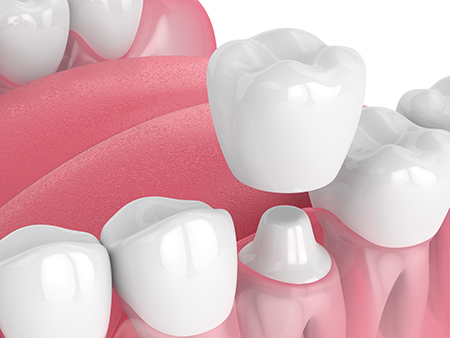
Not all ceramic crowns are created equal. The choice of material depends on the tooth’s location, the patient’s bite, and whether appearance or strength is the overriding concern. A front tooth often prioritizes translucency and fine color matching, while a back tooth needs more resistance to high chewing forces.
Common ceramic options include glass-ceramics that allow for excellent esthetics and metal-free zirconia varieties that offer exceptional strength. Some ceramics are designed to be layered or characterized to enhance lifelike appearance, while monolithic ceramics are shaped from a single block to maximize durability.
Your dentist will assess which material aligns best with your needs and explain how each choice affects preparation, fit, and expected performance. With digital imaging and CAD/CAM milling, many ceramic crowns can be precisely designed to match your bite and smile architecture.
Typical ceramic types you might encounter are:
Lithium disilicate glass-ceramics — known for excellent esthetics and good strength
Leucite-reinforced pressable ceramics — valued for color matching and natural translucency
Solid or monolithic zirconia — extremely strong and often used for posterior teeth
High-translucency zirconia — a balance of improved esthetics with substantial strength
We carefully evaluate the functional demands and aesthetic goals for each tooth to recommend the material that will deliver the most reliable and attractive result.

While ceramic crowns are designed to be durable, they benefit from the same preventive care recommended for natural teeth. Daily brushing with a non-abrasive toothpaste, flossing around the restoration, and routine professional cleanings help reduce the risk of decay at the crown’s margins and maintain healthy gums.
Patients who grind or clench their teeth may be advised to wear a protective nightguard to reduce the risk of fracture or excessive wear. Regular dental checkups let your clinician monitor the restoration and the supporting tooth so any developing issues can be addressed early.
Good oral hygiene combined with sensible habits—avoiding opening packages with teeth or chewing on very hard objects—can help a crown function well for many years. If you notice sensitivity, looseness, or changes in how the crown feels, scheduling an evaluation sooner rather than later can prevent more extensive problems.
At our practice, treatment begins with a thorough evaluation of function, esthetics, and long-term prognosis. We use contemporary diagnostic tools and work with trusted dental laboratories or in-office milling systems to achieve reliable fit and natural-looking results. Our goal is to blend restorative excellence with personalized care so your restoration supports both form and function.
Ramsi Dental emphasizes clear communication throughout treatment. We discuss material options, preparation steps, and what you can expect during recovery so you feel informed and comfortable with your care plan. This attention to detail helps ensure predictable outcomes and restoration longevity.
If you’d like to learn more about ceramic crowns or whether they’re the right solution for a particular tooth, please contact us for more information. We’re happy to explain options and help you determine the best path forward for a strong, attractive smile.


A ceramic crown is a full-coverage restoration that encases the visible portion of a damaged tooth. It restores shape, strength and function while mimicking the optical properties of natural enamel. Dentists recommend crowns when a filling cannot reliably support remaining tooth structure.
Unlike porcelain-fused-to-metal or full-metal crowns, all-ceramic crowns contain no metal substructure and therefore transmit light more naturally. That translucency allows superior esthetics for front teeth and smile zones. Modern ceramics also deliver strong mechanical properties that make them suitable for many restorative situations.
Crowns are commonly recommended when a tooth has extensive decay, a large fracture, or insufficient remaining structure for a conventional filling. They are also used after root canal therapy to protect a tooth that has become more brittle and to restore teeth that support bridges or implants. Choosing a crown balances structural needs with long-term prognosis.
Other factors that influence the decision include the tooth's position in the mouth, the patient's bite forces, and cosmetic goals for shape and shade. If multiple surfaces are involved or the tooth must withstand heavy occlusal loads, a crown provides full coverage and more even distribution of chewing forces. Your clinician will review alternatives and explain why a crown may be the most predictable solution.
Common ceramic materials include lithium disilicate, leucite-reinforced ceramics, and several formulations of zirconia, each offering different balances of esthetics and strength. Lithium disilicate is popular for its excellent esthetics and reliable strength in many anterior and posterior applications. Leucite-reinforced options allow fine color matching and natural-looking translucency for visible teeth.
Zirconia ranges from monolithic blocks that emphasize strength to high-translucency variations that improve appearance while retaining toughness. Material choice affects how much tooth structure is removed, the crown thickness, and resistance to fracture or wear. Your dentist will recommend a ceramic based on the tooth's function, location, and esthetic requirements.
Fabrication begins with a careful evaluation and an impression of the prepared tooth, obtained either with digital scanning or traditional impression materials. Digital workflows commonly use CAD/CAM software to design the crown and then mill it from a ceramic block, while laboratory workflows may layer and characterize the restoration for enhanced esthetics. When an off-site lab is used, a temporary crown protects the tooth between appointments.
At the seating appointment the clinician verifies fit, occlusion and shade before permanently bonding or cementing the crown using techniques that promote a durable seal. Minor adjustments to contacts and bite ensure patient comfort and healthy gum contours. Clear communication between clinician and laboratory or the in-office milling process contributes to accurate fit and predictable outcomes.
Modern ceramics can be suitable for posterior teeth, particularly when high-strength materials such as monolithic zirconia are selected for their exceptional fracture resistance. Solid zirconia tolerates heavy chewing forces and can be used where maximum durability is required. High-translucency zirconias aim to balance improved esthetics with substantial strength for visible posterior restorations.
Lithium disilicate offers good strength for many posterior crowns but may not match the toughness of solid zirconia in extreme bruxism or very high occlusal loads. Clinicians assess grinding habits, opposing dentition and bite dynamics to recommend a material that minimizes risk of chipping or failure. In some cases a thicker cross-section or protective occlusal design is advised to enhance longevity.
Caring for a ceramic crown follows the same basic hygiene practices as natural teeth: brush twice daily with a nonabrasive toothpaste and floss daily to remove plaque at the crown margins. Regular professional cleanings and exams allow your clinician to monitor the crown and supporting tissues for early signs of decay or gum inflammation. Consistent home care reduces the chance of complications that could compromise the underlying tooth.
Patients who grind or clench their teeth should discuss nightguard therapy to protect crowns from excessive wear or fracture. Avoiding habits like opening packages with teeth or chewing very hard items also helps prevent damage. Promptly reporting sensitivity, looseness or changes in fit allows earlier intervention and may prevent more extensive treatment.
Ceramic crowns are generally very biocompatible and are a good option for patients with metal sensitivities because they contain no metal substructure. The ceramic surface interacts gently with surrounding soft tissues, which can contribute to healthy-looking gums when margins are properly designed and maintained. True allergic reactions to modern dental ceramics are rare compared with reactions to some metal alloys.
That said, some patients may react to cements or other materials used during restoration, so clinicians select bonding agents and techniques that minimize tissue irritation. Ensuring good periodontal health before crown placement and maintaining excellent oral hygiene helps reduce the risk of inflammation. If you have a history of sensitivities or allergies, discuss them with your dentist so materials can be chosen accordingly.
The timeline depends on whether a traditional laboratory workflow or a chairside CAD/CAM system is used; lab-fabricated crowns typically require two to three visits spread over a few weeks, while same-day CAD/CAM workflows can produce a final crown in a single appointment. In a multi-visit approach the tooth is prepared, a temporary crown placed, and the lab fabricates the final restoration from impressions or scans. Same-day systems scan, design, mill and finish the crown while you wait, eliminating the need for a temporary.
Regardless of the process, clinicians allocate time for shade selection, fit verification and occlusal adjustment at the seating visit. Temporary restorations protect the prepared tooth and maintain esthetics and function until final cementation. Follow-up visits may be scheduled to confirm comfort and the health of supporting tissues after placement.
Ceramic crowns are commonly used on implant abutments and as the visible portions of bridges when the design properly accounts for load distribution and retention. On implants a crown can be screw-retained or cemented to an abutment, and material choice along with connector design influence long-term performance. Proper occlusal planning and precision fit are essential to avoid undue stress on implants or adjacent teeth.
For traditional bridges, crowns on abutment teeth must tolerate additional forces from supporting a pontic, so clinicians often select stronger ceramics for those roles. Clinicians at Ramsi Dental consider retrievability, emergence profile and maintenance access when recommending screw-retained versus cemented designs. Close coordination between the restorative team and the laboratory or milling technician helps ensure the prosthesis functions harmoniously.
Determining the right ceramic crown begins with a comprehensive evaluation of the tooth, the surrounding dentition, and your functional and esthetic goals. Your dentist will assess tooth structure, bite forces, gum health and opposing teeth to identify materials and designs that meet both strength and appearance requirements. Patient habits such as grinding, diet and oral hygiene are also factored into the recommendation.
At Ramsi Dental we review material options, preparation techniques and what to expect during treatment so you can make an informed choice aligned with long-term prognosis. The final recommendation balances minimal tooth reduction, optimal fit and predictable performance to deliver a restoration that supports both function and smile esthetics. Shared decision-making between you and your clinician ensures the chosen crown matches your priorities and clinical needs.

We’d love to hear from you! Whether you have questions about our services, want to schedule an appointment, need guidance on your dental care, or simply want to learn more about how we can help you achieve a healthy, confident smile, our friendly and knowledgeable team is here to assist you.
Visit us at Ramsi Dental or reach out by phone or through our online form. We’re committed to making your experience easy, welcoming, and stress-free, and we’ll respond promptly to ensure you get the care you need.